
The single most important thing to get right when planning a Sri Lanka holiday is the weather. This little island packs in tropical beaches, misty tea-country mountains and ancient cities — but it also has two opposite monsoons, so the "best time to visit" depends entirely on where you're going. Get the timing right and you'll have sunshine wherever you are; get it wrong and you could be staring at rain on one coast while the other side of the island basks in blue skies. This guide makes it simple.
Sri Lanka's Climate in a Nutshell
Sri Lanka is tropical and warm all year — there's no winter. The coast and lowlands stay hot and humid (around 26–32 °C), while the central hill country is pleasantly cool (15–22 °C by day, dropping into single digits at night in Nuwara Eliya). What actually changes through the year isn't the temperature — it's the rain, driven by the monsoons.
The Two Monsoons (the Key to Timing)
Two monsoons hit opposite sides of the island at opposite times — this is the whole secret to timing a Sri Lanka trip:
- Southwest (Yala) monsoon — roughly May to September. Brings rain to the south-west, west coast and central hills. So the popular south coast and hill country are wetter in these months.
- Northeast (Maha) monsoon — roughly October/November to January–February. Brings rain to the east, north and north-central regions.
- Inter-monsoon periods (Oct–Nov and Mar–Apr) can bring afternoon thunderstorms anywhere, but often clear and bright between showers.
In practice that means a simple rule of thumb: south & west coast in winter (Dec–Mar), east coast in summer (May–Sep), with the hills and Cultural Triangle good for much of the year.
Best Time to Visit by Region
| Region | Best months | Why |
|---|---|---|
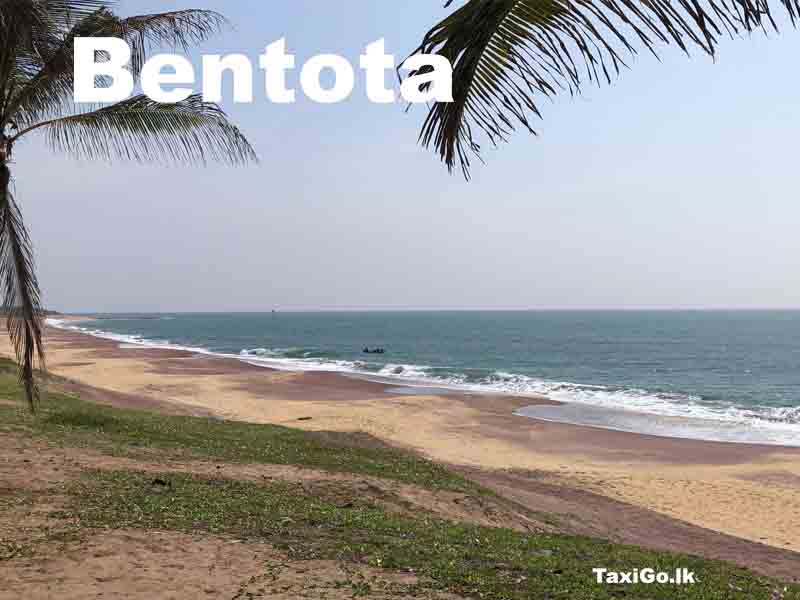
| South & West Coast Bentota, Hikkaduwa, Galle, Unawatuna, Mirissa, Tangalle | Dec – Mar/Apr | Dry, calm seas, sunshine — peak beach season. |
| East Coast Trincomalee, Nilaveli, Pasikudah, Arugam Bay | May – Sep | Dry season; calm, clear seas and great surf. |
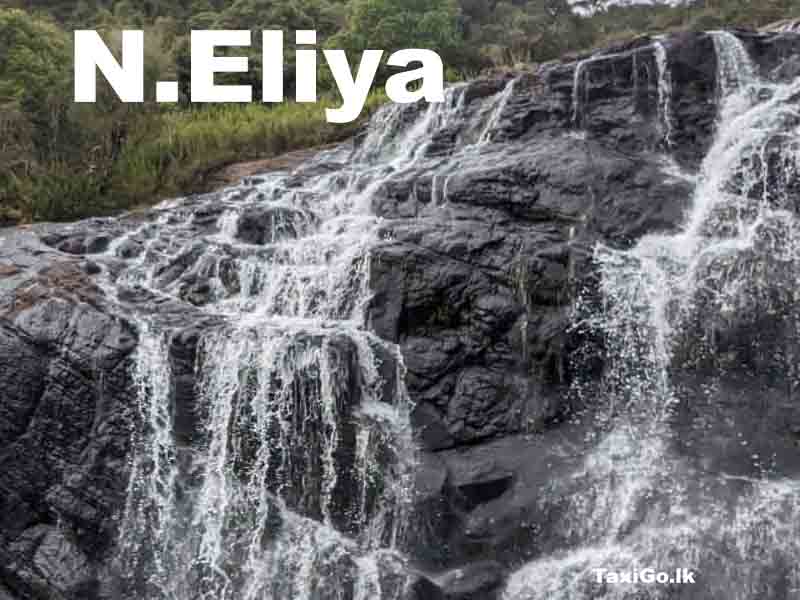
| Hill Country Kandy, Nuwara Eliya, Ella, Haputale | Jan – Apr (good year-round) | Clearest skies and views; cool and green. |
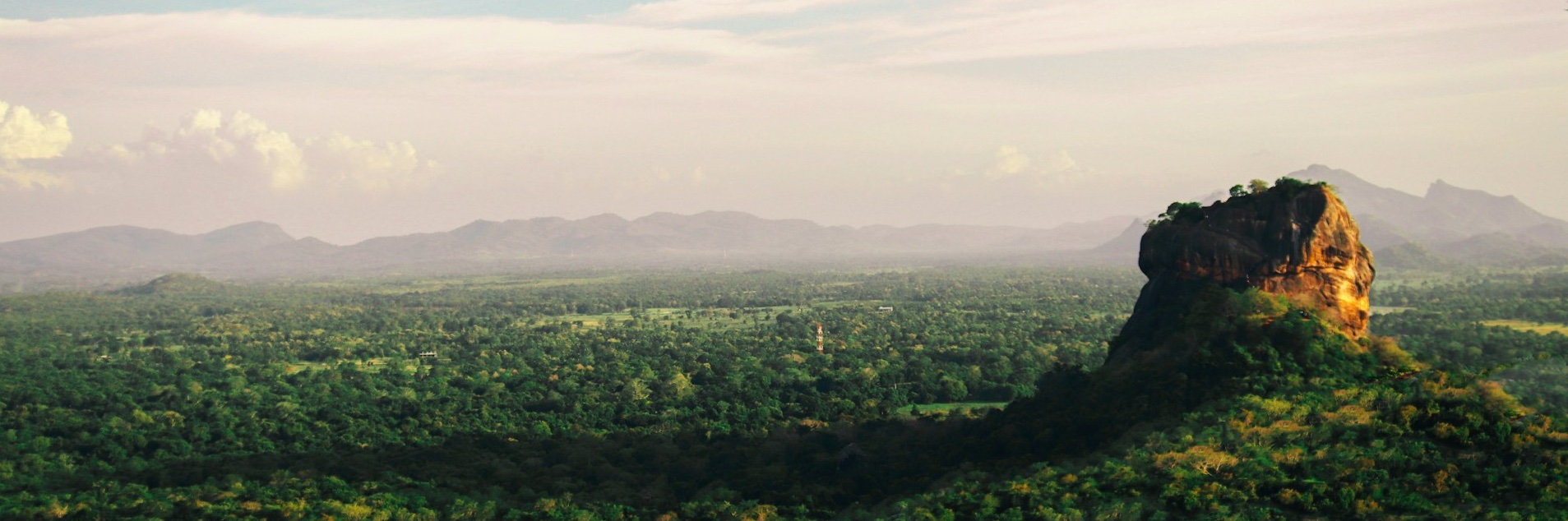
| Cultural Triangle Sigiriya, Dambulla, Anuradhapura, Polonnaruwa | Jan – Sep | Relatively dry; Minneriya elephant gathering Jun–Sep. |
| North Jaffna & islands | Feb – Sep | Driest, sunniest window for the far north. |
Month-by-Month Quick Guide
| Month | Where it's best | Notes |
|---|---|---|
| Dec – Feb | South & west coast, hill country | Peak season, best beaches; book early (Christmas/New Year). |
| Mar – Apr | South coast, hills, Cultural Triangle | Hot & bright; April is shoulder; Sinhala/Tamil New Year mid-April. |
| May – Jun | East coast, Cultural Triangle | South-west turns wetter; east coast opens up; fewer crowds. |
| Jul – Aug | East coast, Arugam Bay, Cultural Triangle | East coast peak; Kandy Esala Perahera festival; Minneriya elephants. |
| Sep – Oct | East coast (early Sep), then transitional | Inter-monsoon showers build; good value everywhere. |
| Nov | Transitional — south coast reopening | Showers ease on the south-west; Mirissa whale season begins. |
The "Follow the Sun" Rule
Because the monsoons hit opposite coasts at opposite times, Sri Lanka is a genuine year-round destination — there's always a region in its dry season. The smart way to plan is to match your route to the month: chase the sunshine to the south-west in winter and to the east in summer, with the hills and ancient cities slotted in almost any time. The easiest way to do this is with a private driver who can adjust your itinerary if the weather has other ideas.
🚕 Travel With the Weather, Not Against It
A private TaxiGo car and English-speaking driver lets you follow the sunshine across the island — south coast in winter, east coast in summer — at fixed, all-inclusive rates.
Plan My Island TripTemperatures & What to Pack
Whatever the month, pack for two climates — hot coast and cool hills:
- Light cottons & swimwear for the coast and lowlands (26–32 °C, humid).
- A warm layer / fleece for the hill country — Nuwara Eliya nights can drop to 5–10 °C.
- A light rain jacket or compact umbrella for monsoon afternoon showers.
- Strong sunblock, sunglasses & a hat — the tropical sun is fierce even on cloudy days.
- Modest clothing (covering shoulders and knees) for temples and cultural sites.
- Good sandals plus closed shoes for hikes (Ella, Horton Plains, Adam's Peak).
Whales, Surf & Festivals
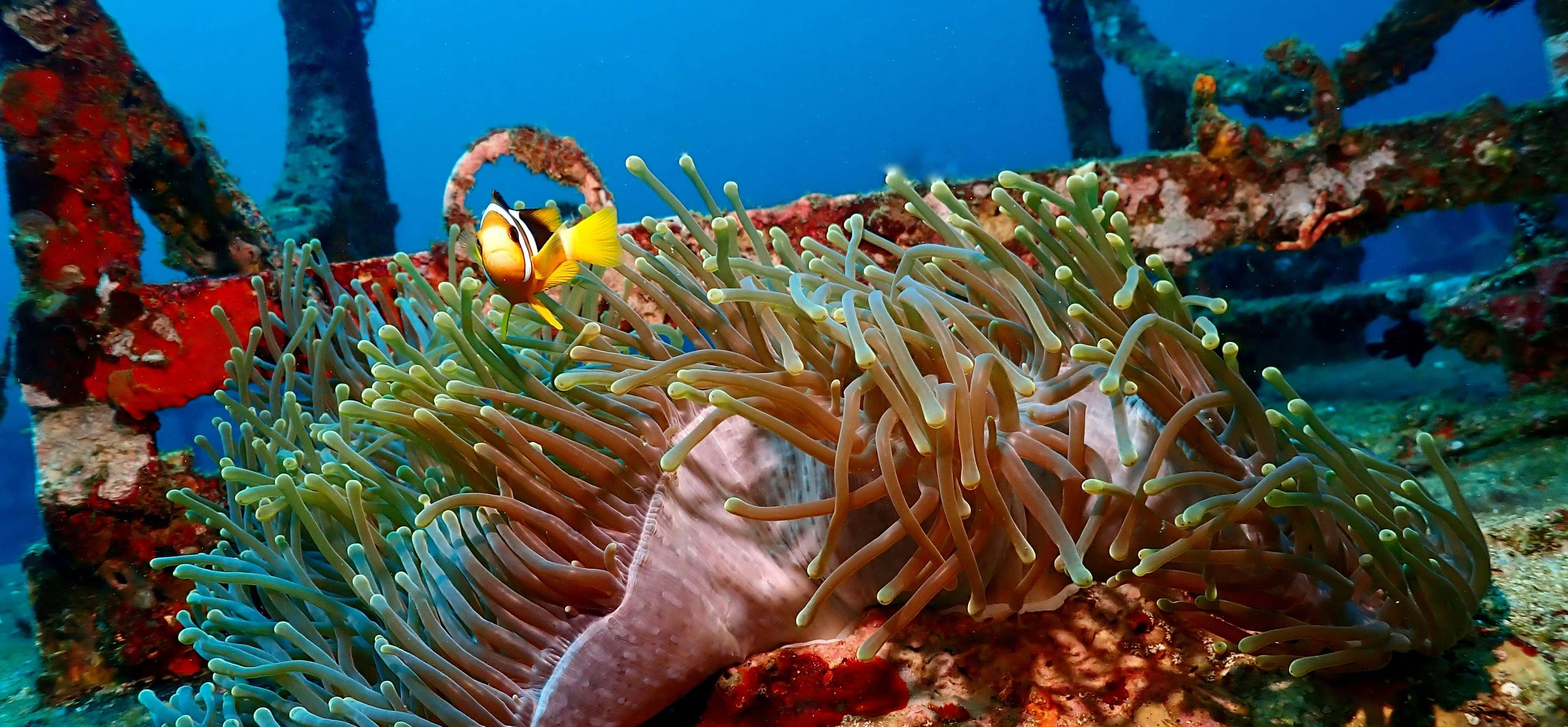
- Whale watching: Mirissa (south) Nov–Apr for blue and sperm whales; Trincomalee (east) May–Sep.
- Surfing: south coast breaks (Weligama, Midigama, Hikkaduwa) are best Nov–Apr; Arugam Bay (east) is best Apr–Oct.
- Festivals: Kandy's spectacular Esala Perahera (Jul/Aug), Sinhala & Tamil New Year (mid-Apr), Vesak (May), and the Adam's Peak pilgrimage season (Dec–May).
How to Book Hotels in Sri Lanka
Once you've matched your region to the season, booking is easy. A few tips:
- Pick the region by season first, then book. A beach hotel on the wrong coast at the wrong time is the most common planning mistake.
- Book early for peak (Dec–Mar). The best south-coast and hill-country properties sell out 2–3 months ahead, and prices spike around Christmas and New Year.
- Shoulder season = better deals. May–Sep is quieter and cheaper on the south-west (with showers), while the east coast is in peak.
- Choose free-cancellation rates. The monsoon can be unpredictable, so flexible bookings give you room to adapt.
- Do a "two-base" trip: a few nights on the coast plus a few in the hills or Cultural Triangle gives you the best of the island's variety.
- Read recent reviews for off-season properties — some beaches have rough seas or seaweed outside their best months.
Use trusted platforms (Booking.com, Agoda) or book direct with the property — and once your hotels are set, line up your transfers between them in advance so the travel days are stress-free.
Getting Around: Why a Private Taxi Beats the Rest
Sri Lanka looks small, but the roads are slow and winding, and public transport — while charming — eats up your holiday hours. The most comfortable, flexible way to see the island (and to follow the good weather) is a private car with a driver. That's exactly what TaxiGo.lk does:
- Fixed, all-inclusive rates — no meters, no surprises, quoted before you travel.
- Airport pickups from Colombo (CMB) & Mattala, plus island-wide multi-day tours.
- Professional, English-speaking drivers who know the routes and the seasons.
- Weather flexibility — your driver can re-route to the sunnier coast if the forecast turns.
- 24/7 availability and a 5-star track record.

🚕 Pre-Book Your Airport Transfer & Island Tour
Land, meet your driver, and head straight to the best weather. Fixed rates, professional drivers, 24/7 — book your TaxiGo transfer or multi-day tour today.
Book My TaxiGo TransferFrequently Asked Questions
What is the best month to visit Sri Lanka?
It depends where you go, because the island has two opposite monsoons. For the south and west coasts and the hill country, December to March (into April) is best and is the peak season. For the east coast (Trincomalee, Nilaveli, Pasikudah, Arugam Bay), the best months are May to September. There's good weather somewhere in every month.
Does it rain all day during the monsoon?
Usually not. Monsoon rain tends to come as short, heavy afternoon or evening downpours with sunny mornings in between, rather than all-day rain. Mornings are typically the best part of the day for sightseeing and the beach.
Which coast is best in December, and which in July?
In December the south and west coasts (Bentota, Hikkaduwa, Galle, Unawatuna, Mirissa) are at their best. In July it flips to the east coast (Trincomalee, Nilaveli, Pasikudah) and Arugam Bay.
Is Sri Lanka a year-round destination?
Yes. Because the monsoons affect opposite sides of the island at different times, there's always a region in its dry season. Match your destination to the month — easy with a private driver who can follow the weather.
What should I pack for the weather?
Light cottons and swimwear for the hot coast (26–32 °C); a warm layer for the cool hills (nights can hit 5–10 °C in Nuwara Eliya); a light rain jacket or umbrella; strong sunblock and a hat; and modest clothing for temples.
When is whale-watching season?
Mirissa (south) is best November–April; Trincomalee (east) is best May–September, each matching that coast's calm, dry weather.
How far in advance should I book hotels?
For peak December–March (especially Christmas/New Year on the south coast and hills), book 2–3 months ahead. In the May–September shoulder season for the south you can book closer to your dates; the east coast is then in peak. Choose free-cancellation rates for monsoon flexibility.
What's the best way to get around with the changing weather?
A private car with a driver. A fixed-rate TaxiGo.lk car and English-speaking driver lets you chase the good weather across the island and adapt the route if the forecast turns — with airport pickups and island-wide multi-day tours.
🌴 Ready to Plan the Perfect Sri Lanka Trip?
You've got the weather sorted — now let TaxiGo handle the driving. Fixed-rate airport transfers and tailor-made island tours that follow the sunshine.
Get My Quote at TaxiGo.lkOr WhatsApp +94 77 083 3772
